
Last updated: 13 April 2026 — Updated with simple step-by-step decluttering system for beginners
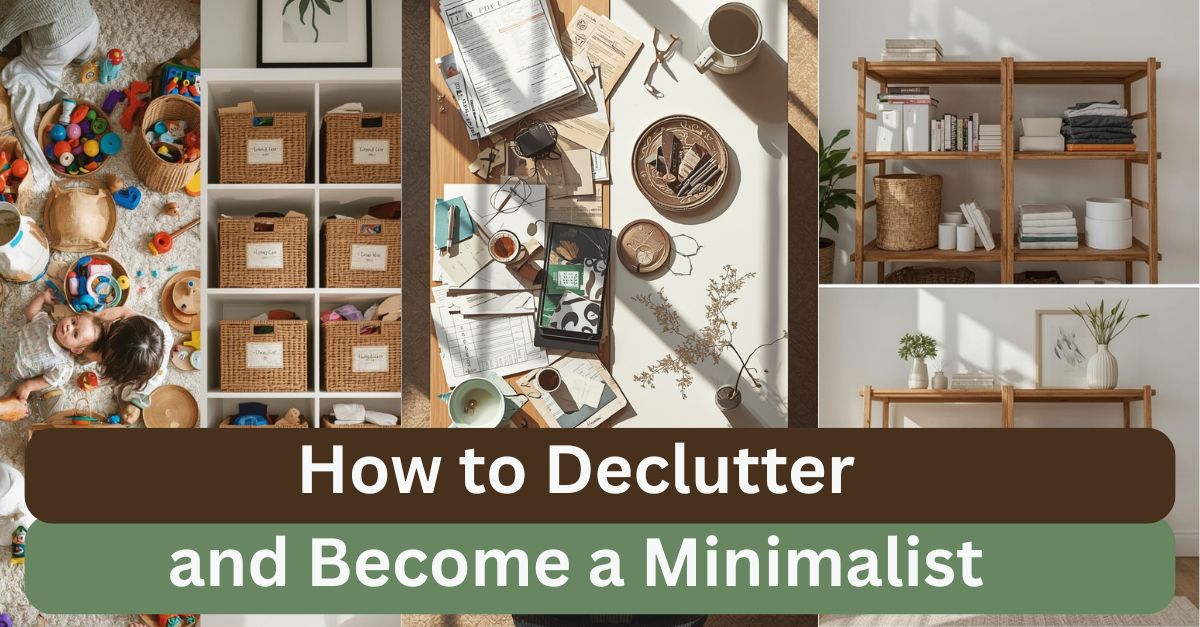
Feeling overwhelmed by clutter? Learning how to declutter and become a minimalist can help you create a calm, organized, and intentional home without stress.
Whether you’re just starting or trying to stay consistent, this guide gives you simple, practical methods that actually work — even in small spaces.
Want to declutter your home and become a minimalist? Start small, remove what you don’t use, and follow a simple system that makes it easy.
Quick Answer: How to Declutter and Become a Minimalist
- Define your personal version of minimalism and what you want more of in your life
- Start with one small area like a drawer or shelf for quick wins
- Sort items into keep, donate, and discard piles
- Use the maybe box for uncertain items and revisit in 30-90 days
- Apply the one-in, one-out rule for all new purchases
- Practice a 15-minute daily reset to maintain your progress
The guide ahead walks you through every step of the decluttering to minimalism journey. From understanding the science behind clutter to implementing proven methods and building lasting habits, you will find practical strategies that fit your life and energy level.
The 5-Minute “Emergency” Task
The Flat Surface Clear. Pick one flat surface (the coffee table, one kitchen counter, or your bedside table). Clear it completely. Put everything that was on it into a single “To-Sort” box for now. Wipe the surface clean.
Why? Because looking at one clean, empty space acts as a psychological “anchor” in a sea of chaos. It proves that a minimalist home is possible, one square foot at a time.
Minimalist Decluttering Tips for Beginners
Starting your minimalist decluttering journey can feel overwhelming. These beginner-friendly tips will help you build confidence and create momentum from day one.
- Start with a single drawer or shelf – small wins build confidence for bigger challenges
- Set a timer for 15 minutes to prevent decision fatigue and burnout
- Begin with low-emotion items like expired products or obvious trash
- Take before and after photos to visualize your progress
- Use the “touch it once” rule – make a decision immediately rather than moving items around
- Create a donation station in your home for items ready to leave
- Celebrate small victories to maintain motivation throughout the process
This approach works especially well in small apartments and modern homes commonly found in the US, where space optimization is essential.
Minimalist Decluttering Tips for Small Spaces
Living in a small apartment or compact home requires strategic decluttering. These tips are specifically designed for maximizing space in tight quarters.
- Utilize vertical space with wall-mounted shelves and hanging organizers
- Choose furniture with built-in storage like ottomans and bed frames with drawers
- Implement the “one surface rule” – keep only essential items on visible surfaces
- Use clear containers to see contents at a glance and prevent over-purchasing
- Rotate seasonal items and store off-season belongings in under-bed containers
- Maximize door space with over-the-door organizers for shoes, accessories, or cleaning supplies
- Consider multi-functional items that serve more than one purpose
If you’re living in a compact home, these small space decorating ideas for renters can help you maximize space without making it feel crowded.
Many beginners in the US prefer starting with quick wins like decluttering a single drawer or closet before moving to larger spaces.
Best Decluttering Methods That Actually Work
Different methods work for different situations and energy levels. Here are the most effective techniques used by professional organizers and successful minimalists.
The 90/90 Rule for Decision Making
When you are uncertain about an item, apply the 90-90 rule. Ask yourself if you have used it in the last ninety days and if you will use it in the next ninety days. If the answer to both questions is no, the item can likely be released.
This framework provides objective criteria that cut through emotional attachment and just-in-case thinking. While there are exceptions for seasonal items and special occasion pieces, the 90-90 rule works for the majority of household goods. It helps you focus on what actively serves your current life.
The One In, One Out Rule
Preventing new clutter is as important as removing existing clutter. The one in, one out rule states that for every new item you bring home, something similar must leave. This maintains equilibrium and forces conscious consideration before purchases.
Keep a donation box easily accessible so you can immediately place outgoing items when something new arrives. This habit transforms decluttering from a periodic massive effort into a continuous, manageable practice. Over time, it naturally reduces your overall possessions while maintaining organization.
The Power of the Maybe Box
Indecision is one of the biggest obstacles to decluttering. The maybe box solves this problem beautifully. When you encounter an item you are unsure about, place it in a labeled box and store it out of sight. Set a reminder to revisit it in thirty to ninety days. If you have not needed or thought about those items by then, you can let them go with confidence.
This method removes the pressure of making permanent decisions in the moment. It acknowledges that uncertainty is normal while preventing clutter from remaining in your active living space. Most people find that they never retrieve items from their maybe boxes, which makes the final donation much easier.
The Dana K White Method for Low Energy Days
When you are feeling overwhelmed or short on time, the Dana K White method offers a gentle approach that guarantees progress. Instead of emptying entire cabinets, you simply pick up one item at a time and ask where you would first look for it. Put it there, making room if necessary by removing something else.
This method eliminates the chaos of sorting piles and the risk of creating bigger messes. It works in mere seconds and can be done whenever the mood strikes. While it requires consistency to create significant change, it is perfect for maintaining progress during busy or exhausting periods of life.
The Packing Party Experiment
For those ready for a dramatic approach, the packing party method reveals how little we actually use. Pack everything you own into boxes as if you were moving. Label each box so you can find what you need. Over the next three weeks, unpack only the items you actually use.
At the end of the experiment, you will likely discover that eighty percent of your possessions remained packed. This visual demonstration provides powerful motivation for letting go. Donate or sell the untouched items without guilt, knowing they served their purpose in teaching you what you truly need.
The Hanger Trick for Wardrobe Decluttering
Clothing decisions are often paralyzing because we forget what we actually wear. The hanger trick solves this problem elegantly. Turn all your hangers backward. As you wear items and return them to your closet, hang them correctly. After three to six months, donate anything still hanging backward.
This method provides objective data about your actual habits rather than your intentions. It removes the guesswork and emotional justification that keeps unworn clothes taking up valuable space. The visual evidence makes letting go much easier because you have proof of what you truly use.
What is the fastest way to declutter?
The fastest way to declutter is to start with obvious trash and expired items, which require minimal decision-making. Do a trash sweep through your entire home first. Then focus on one small area at a time using the timer method – set a 15-minute timer and work intensely until it rings. This prevents decision fatigue while creating visible progress quickly.
How to Declutter and Live Minimally
Decluttering to minimalism is not just a one-time event – it is a lifestyle transformation. Here is how to make minimalism a sustainable way of living.
- Establish a daily 15-minute reset routine to prevent clutter accumulation
- Practice mindful consumption by asking “Do I need this?” before every purchase
- Create a 30-day waiting period for non-essential purchases
- Apply the one-in, one-out rule consistently for all new items
- Schedule monthly mini-decluttering sessions for high-traffic areas
- Focus on experiences rather than possessions for fulfillment
- Build a capsule wardrobe to simplify daily decisions and reduce clothing clutter
How do I start decluttering when overwhelmed?
Start with the easiest category to build confidence. This might be expired medications, obvious trash, or duplicate kitchen tools. Choose a small, visible area where progress will be noticeable. Avoid starting with sentimental items or paperwork, which require more mental energy. The momentum from early wins will carry you into more challenging categories as your decluttering skills develop.
Real-Life Minimalist Decluttering Examples and Gentle Starting Tips
Starting Gently with How to Declutter and Become a Minimalist
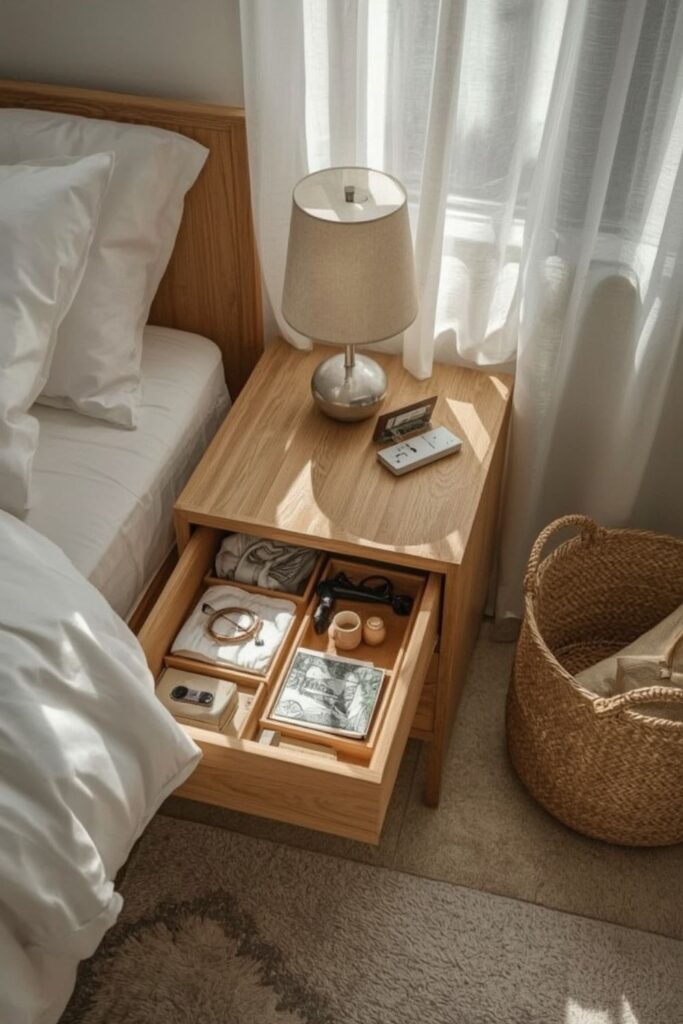
The idea of how to declutter and become a minimalist does not mean removing everything at once. It is more about making thoughtful decisions over time. Begin with a small area like a bedside table or a single drawer. This helps you build confidence without feeling overwhelmed.
As you sort through items, notice how each piece makes you feel. Keep what feels useful or comforting, and let go of what no longer fits your life. This slow and steady approach creates a sense of calm rather than pressure, making the process more enjoyable.
Creating a Minimalist Decluttering Checklist that Feels Natural
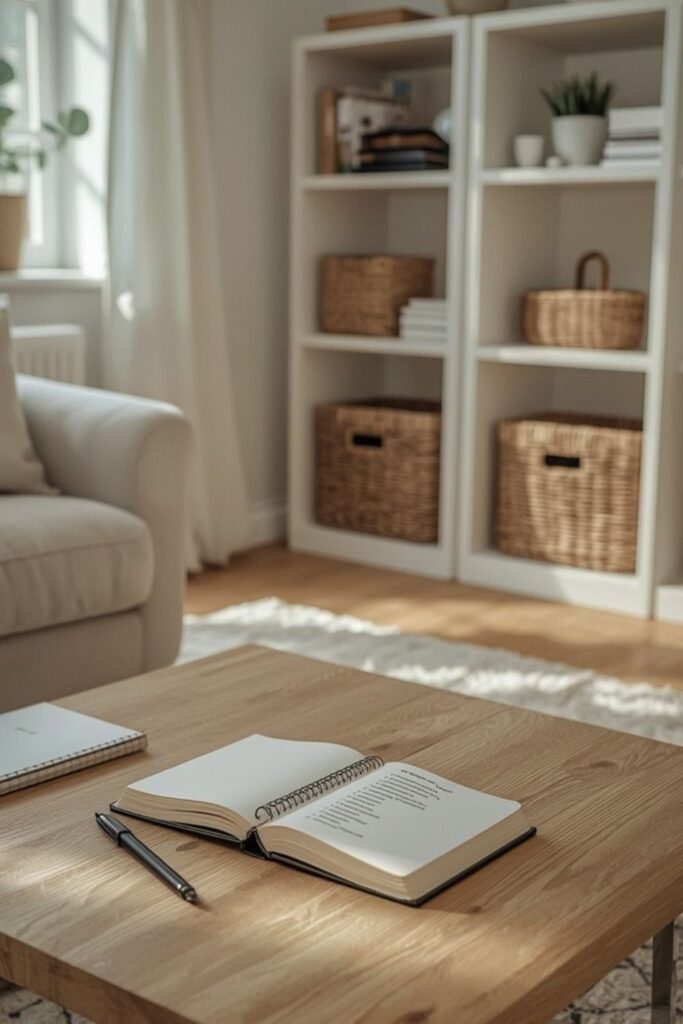
A minimalist decluttering checklist can guide you without making the process feel rigid. Think of it as a soft plan rather than strict rules. Focus on categories like clothing, kitchen items, or paperwork instead of tackling the whole house at once.
This method supports how to declutter and become a minimalist by breaking things into manageable steps. It also helps you stay focused and avoid jumping from one space to another. Over time, you will notice your home becoming more organized and easier to maintain.
Read More: 15 Storage Ideas for Small Spaces Clothing That Feel Light and Simple
Understanding Minimalist Declutter Before and After in Real Homes
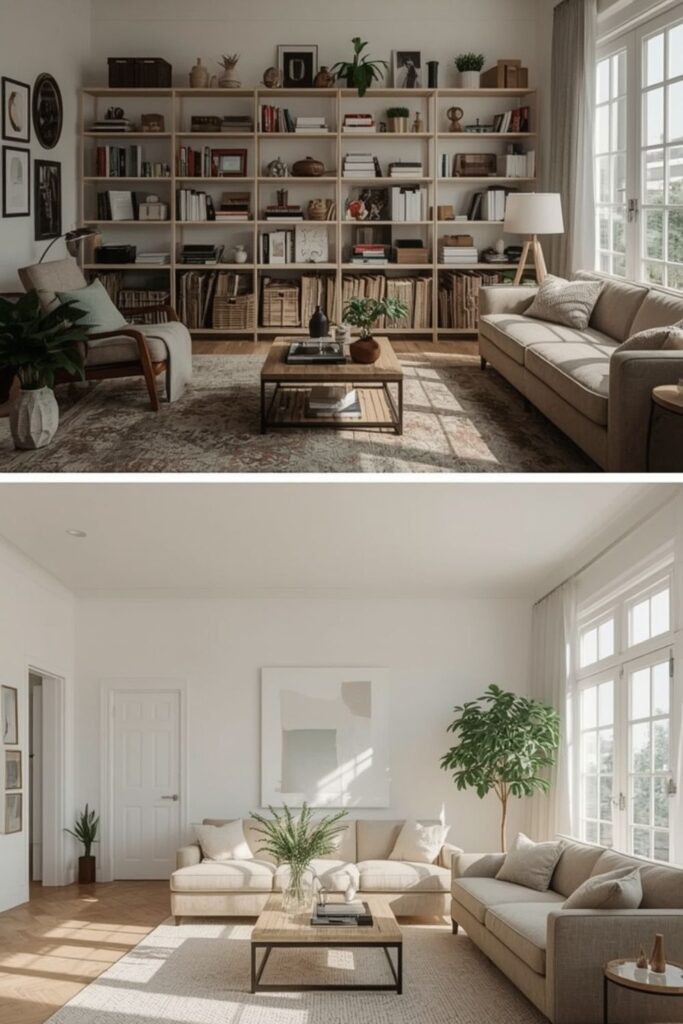
One of the most inspiring parts of this journey is seeing minimalist declutter before and after transformations. Rooms that once felt crowded begin to feel open and calm. Surfaces become clearer, and each item has a purpose.
Minimalist declutter before and after home changes are often subtle yet meaningful. It is not about empty rooms but about creating balance. Soft lighting, natural textures, and a few well chosen pieces can make a space feel complete without being full.
Letting Go of Clothing with Minimalist Declutter Before and After Clothes
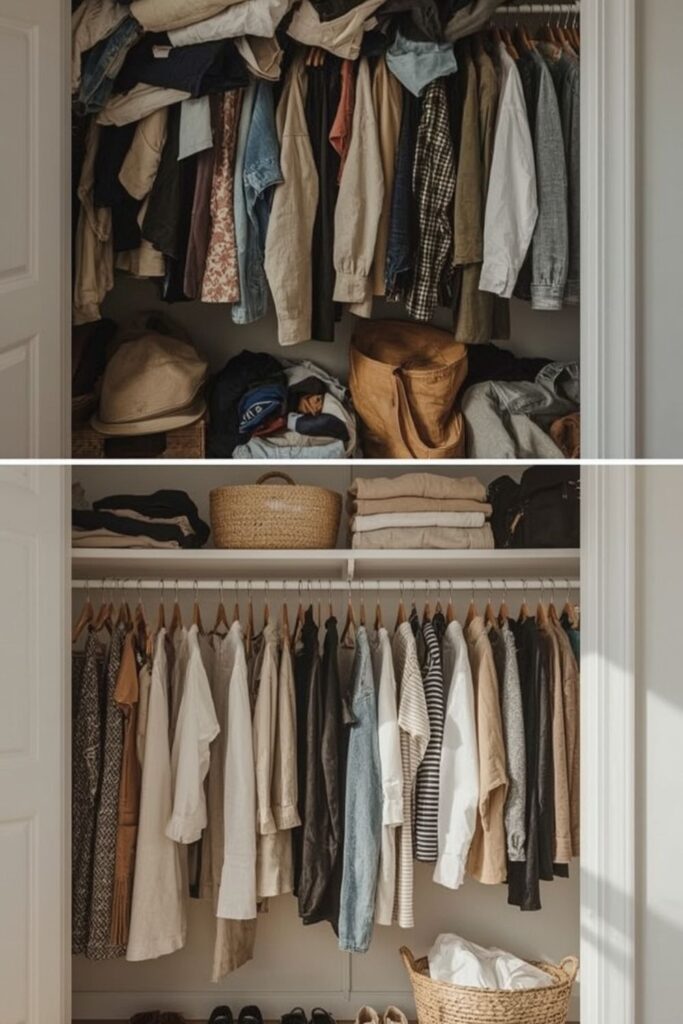
Clothing can be one of the hardest areas to declutter. Many of us hold onto pieces for memories or future plans. When learning how to declutter and become a minimalist, start by gathering all your clothes in one place.
As you go through them, think about what you wear often and what feels comfortable. Minimalist declutter before and after clothes can be quite noticeable. A smaller, curated wardrobe makes getting dressed easier and keeps your space feeling tidy and calm.
If you’re organizing your wardrobe, these storage ideas for small spaces clothing can help you keep things minimal yet functional.
Before and After Cluttered Rooms that Feel Light Again

Before and after cluttered rooms often show how much space we actually have once items are removed. A crowded corner can turn into a peaceful reading spot with just a chair and a soft light.
For example, applying these ideas in your living area becomes easier when you explore small living room ideas with TV that focus on both function and simplicity.
This shift is an important part of how to declutter and become a minimalist. It allows you to see your home in a new way. Instead of focusing on what is missing, you begin to appreciate the openness and simplicity.
Declutter or Unclutter Finding Your Own Rhythm
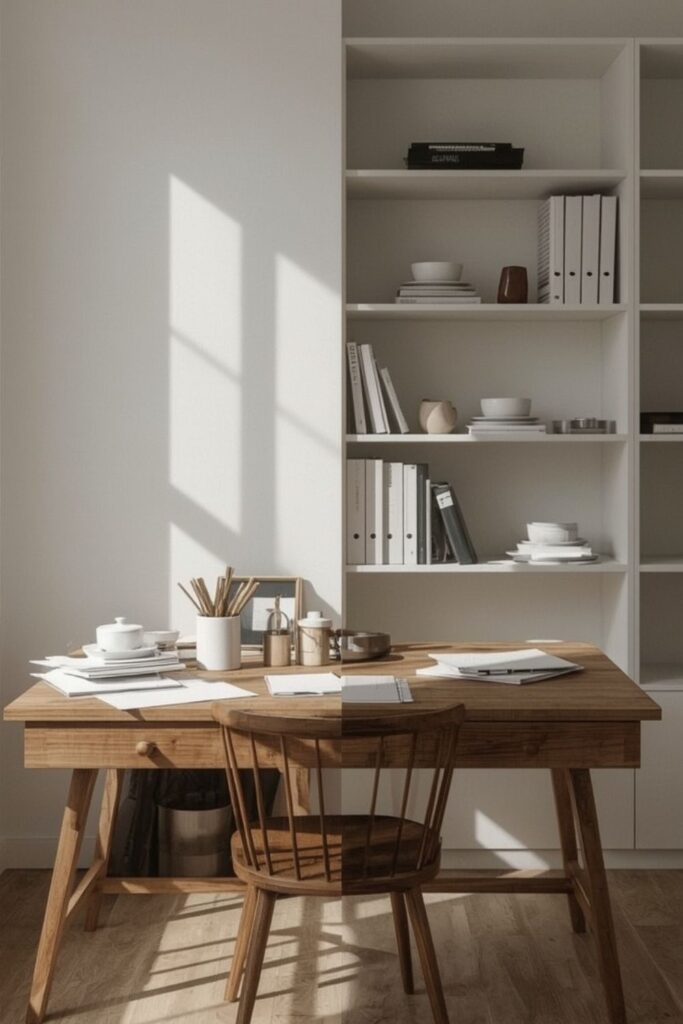
Some people prefer to declutter in one go, while others take a slower path. Whether you choose to declutter or unclutter gradually, the key is consistency. There is no single right way to approach it.
Finding your own rhythm supports how to declutter and become a minimalist in a way that feels natural. You might spend a few minutes each day or dedicate a weekend to a larger area. What matters is creating a pace that works for you.
How to Declutter Your House in One Day with a Calm Plan
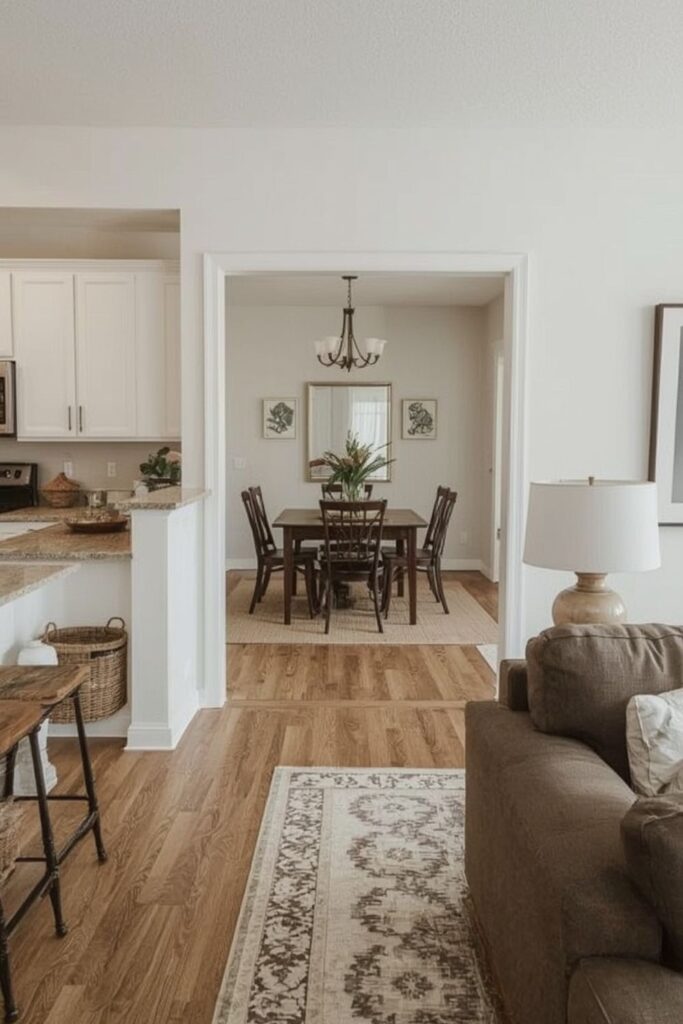
There are moments when you may want a quick refresh, perhaps before guests arrive or during a seasonal change. Learning how to declutter your house in one day can be helpful in these situations.
Focus on visible areas first like countertops, tables, and entryways. Keep only what you need and store the rest neatly. While this method is quicker, it still aligns with how to declutter and become a minimalist by encouraging thoughtful choices.
How to Declutter Your House Fast Without Feeling Rushed
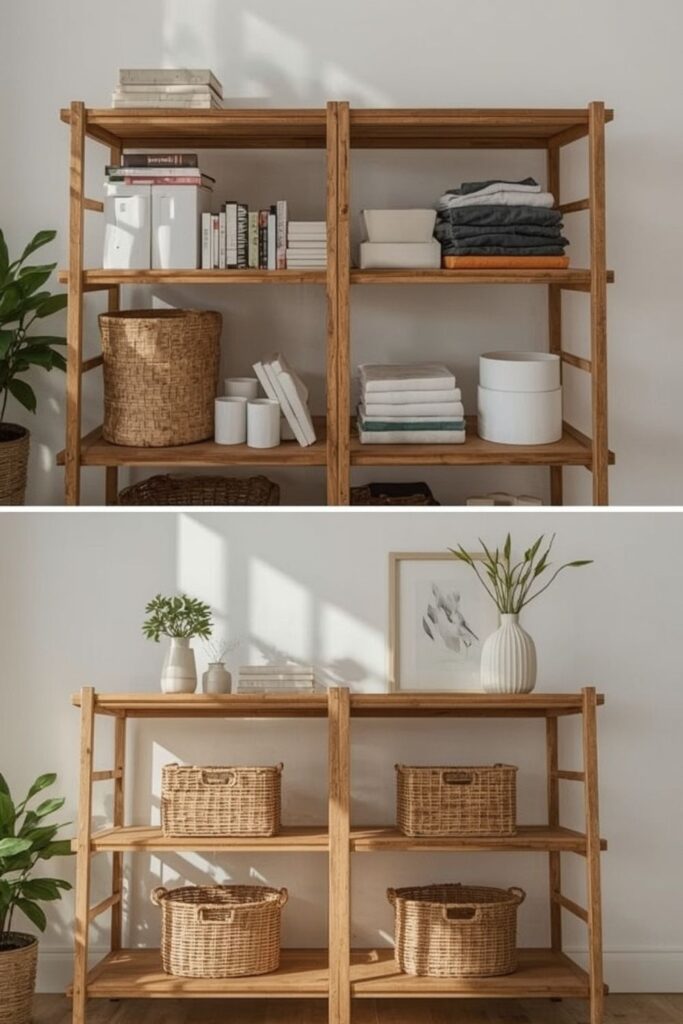
Speed can sometimes lead to stress, so it is important to stay mindful. If you are trying to learn how to declutter your house fast, set simple goals for each session. For example, clear one shelf or one section of a room.
This approach keeps you moving forward while still maintaining the calm feeling that comes with how to declutter and become a minimalist. It is about progress rather than perfection.
Kitchens often collect the most clutter, so using small kitchen storage ideas without cabinets can help you organize efficiently even in tight spaces.
How to Declutter Your Home with Kids in a Gentle Way
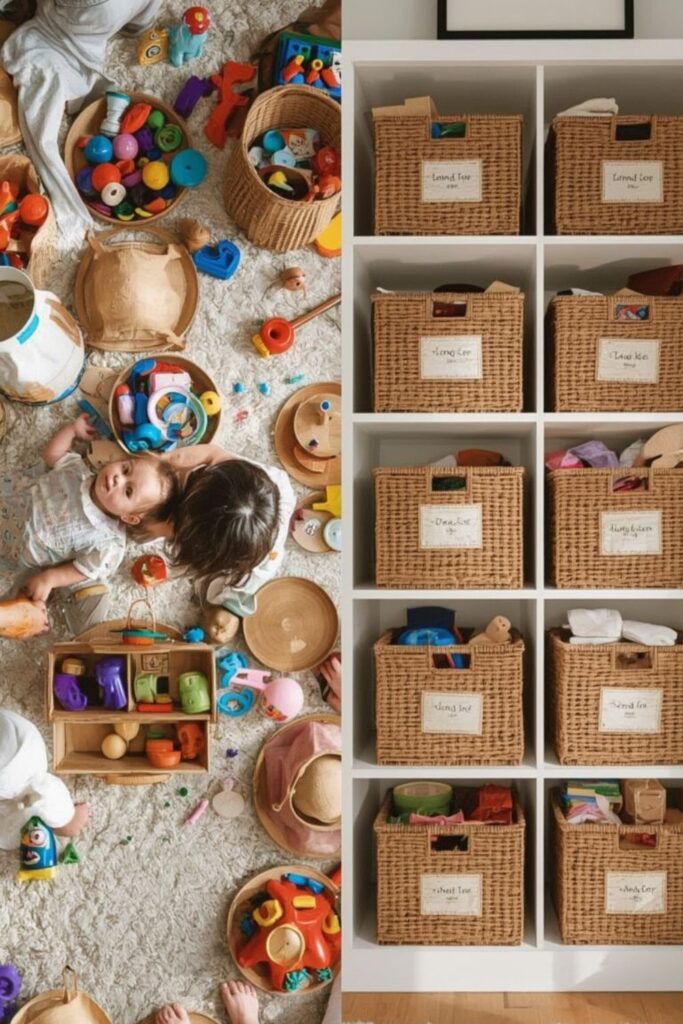
Decluttering becomes a little different when you have children. Their belongings are part of the home, and it is important to include them in the process. Learning how to declutter your home with kids can be a shared experience.
Encourage them to choose toys or clothes they no longer use. Keep the tone light and supportive. This not only helps reduce clutter but also teaches them the value of simple living. It becomes a meaningful part of how to declutter and become a minimalist as a family.
Designing Spaces that Reflect Minimalist Living
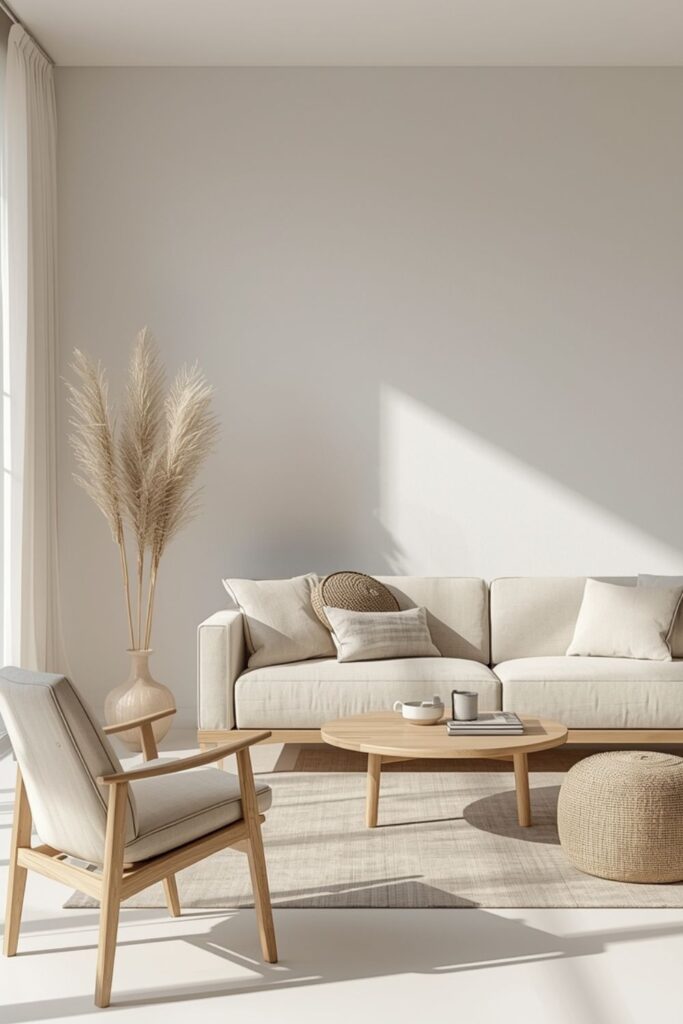
Once you begin to clear your space, you can start shaping it in a way that reflects your style. Choose furniture that feels light and functional. Natural materials like wood and linen bring warmth without adding visual weight.
This stage of how to declutter and become a minimalist is where your home starts to feel truly yours. Soft textures, neutral colors, and a few personal touches can create a space that feels both simple and inviting.
Read More: Modern Tiny House with Space Saving Ideas for Cozy Living and Smart Storage
Keeping Surfaces Clear and Calm
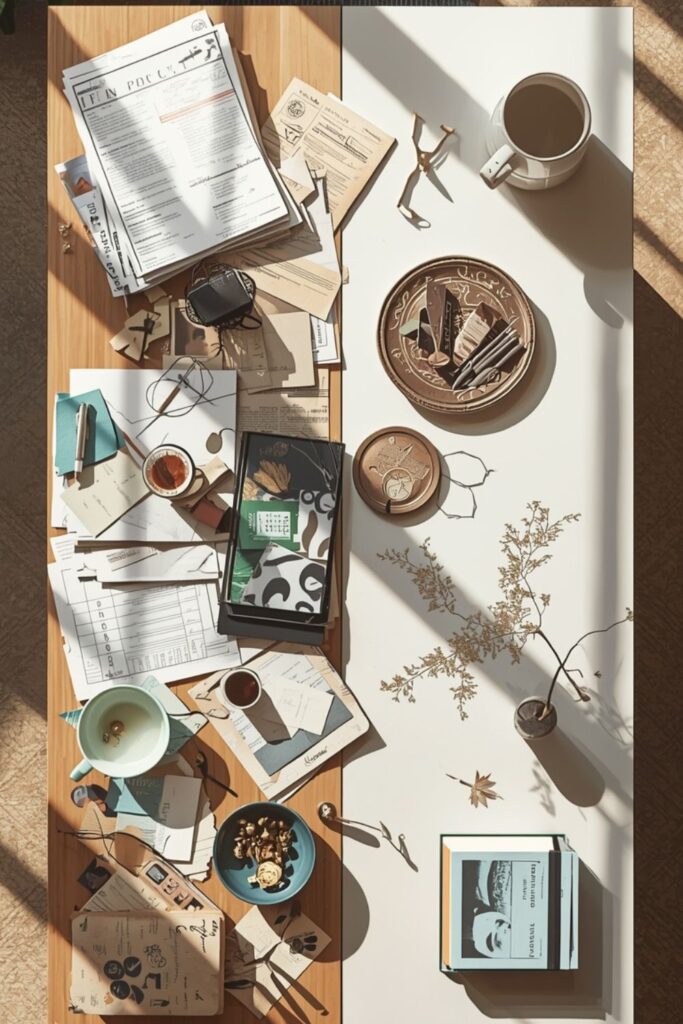
Clear surfaces can make a room feel instantly more peaceful. Instead of filling every space, leave some areas open. A single vase or a small stack of books can be enough.
Maintaining this balance is an important part of how to declutter and become a minimalist. It allows your home to breathe and keeps your mind feeling relaxed. Over time, this becomes a natural habit rather than something you have to think about.
Building Daily Habits that Support a Minimalist Lifestyle
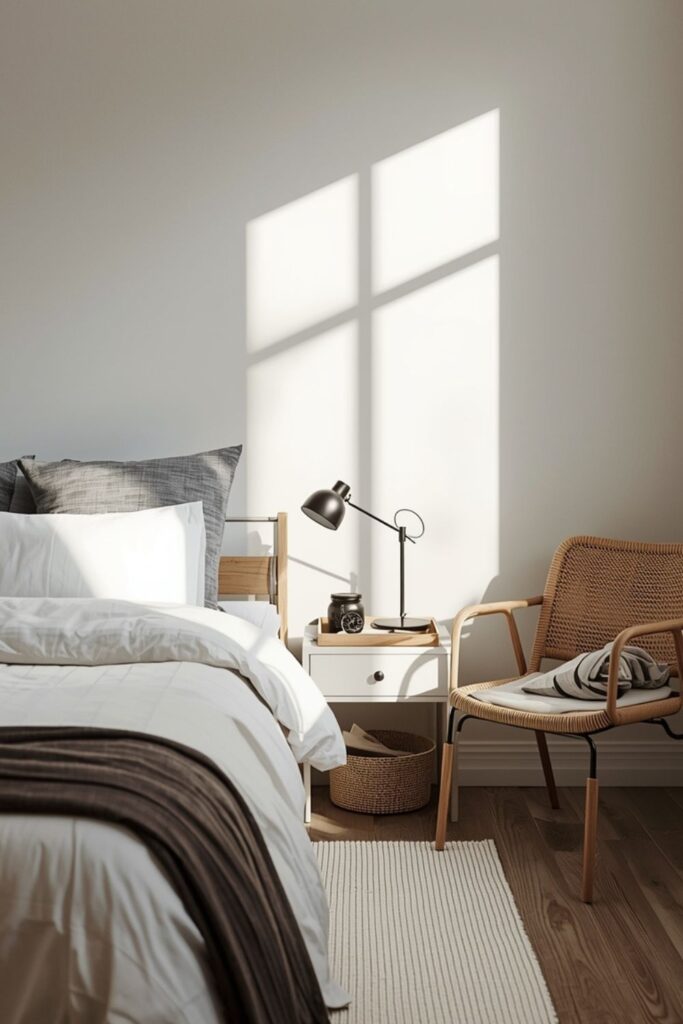
Decluttering is not just a one time activity. It is a way of living that continues over time. Small daily habits like putting items back in their place or reviewing what you own can make a big difference.
These habits support how to declutter and become a minimalist by keeping your space organized without effort. It becomes part of your routine, helping your home stay calm and balanced.
Building small daily habits is widely recommended in behavior science for maintaining long-term lifestyle changes.
Step-by-Step Plan to Declutter Your Home
A structured approach prevents overwhelm and ensures progress. Follow these steps to transform your space methodically.
Step 1: Define What Minimalism Means for You
Before touching a single item, take a moment to define what minimalism means in your life. For some, it means living with fewer than one hundred possessions. For others, it simply means having only what they need and use regularly. There is no universal standard. Your version of minimalism should reflect your values, your lifestyle, and your goals.
Write down your personal definition. Ask yourself what you want more of in your life. Is it time, space, clarity, or freedom? Understanding your motivation will guide every decision you make as you declutter. This foundation prevents you from simply following trends and helps you build a lifestyle that feels authentic and sustainable.
Step 2: Choose Your Approach
Two main approaches exist for decluttering: by location and by category. Location-based decluttering means tackling one room or drawer at a time. Category-based decluttering involves gathering all items of one type from throughout your home and evaluating them together. Each method has distinct advantages.
Location-based work feels manageable and provides visible progress in specific areas. Category-based work prevents keeping duplicates scattered across different rooms. For beginners, starting with location-based decluttering in small zones often feels less overwhelming. As you gain confidence, category-based approaches can help you see the full extent of what you own.
Step 3: Start with the Easiest Wins
Professional organizers consistently recommend beginning with low-stakes categories rather than diving into emotionally charged items. Start with obvious trash, expired products, or duplicate kitchen tools. These decisions require minimal emotional energy and help you build confidence in your ability to let things go.
A trash sweep through your home can yield immediate results with little mental effort. Fill a bag with obvious garbage from any room. This simple act creates visible progress and momentum. Once you experience the satisfaction of a clearer space, you will feel more prepared to tackle more challenging categories.
Step 4: Create Your First Clutter-Free Zone
Designate one small area as permanently clutter free. This could be your kitchen table, nightstand, or a corner of your living room. Keep this space clear of everything except intentionally placed items. Use it as a visual reminder of how calm and peaceful your home can feel.
As you enjoy this sanctuary, gradually expand it. A clutter free countertop becomes a clutter free room. A clutter free room becomes the foundation for an entire home that supports your wellbeing. This incremental approach prevents overwhelm while building lasting habits.
Step 5: Tackle Sentimental Items with Care
Sentimental possessions often represent our most challenging decluttering decisions. The key is to honor the memory without necessarily keeping the physical object. Consider taking photographs of items before letting them go. The memory remains accessible while the physical burden disappears.
Another approach is to keep a small, designated memory box rather than allowing sentimental items to spread throughout your home. Choose the most meaningful pieces and release the rest with gratitude for the joy they once brought. Remember that your memories live within you, not within your possessions.
How to Become a Minimalist: The Mindset Shift
Becoming a minimalist requires more than just removing possessions. It involves a fundamental shift in how you think about consumption, value, and what you truly need.
Stop the Flow of Incoming Clutter
The most effective decluttering happens before items enter your home. Examine your consumption habits and identify sources of unnecessary influx. Unsubscribe from marketing emails that trigger impulse purchases. Remove shopping apps from your phone. Avoid browsing stores as entertainment.
Before buying anything, ask yourself three questions. Do I already own something similar? Where will I store this? Am I buying this to fix a mood or fill a genuine need? Creating a waiting period of one week before nonessential purchases often reveals that the desire was temporary rather than genuine.
Embrace Quality Over Quantity
Minimalism is not about deprivation. It is about intentionality. When you do need something, prioritize quality over quantity. Choose items that will last. Buy secondhand when possible. Repair rather than replace. These practices support both your minimalist goals and the health of the planet. Living with less becomes an act of care for yourself and the world.
The production and use of household goods accounts for sixty percent of global greenhouse gas emissions. Your choices matter. By consuming less, you reduce the demand for resource intensive production and decrease waste.
Simplify Your Digital Life
Minimalism extends beyond physical possessions into your digital spaces. Unsubscribe from email lists that no longer serve you. Organize your computer files with a simple, logical structure. Delete apps you do not use regularly. Clear your desktop of unnecessary icons and files.
Digital clutter consumes mental energy just like physical clutter. Notifications, unread emails, and disorganized files create background stress that accumulates over time. A streamlined digital environment supports the same sense of calm and focus that physical minimalism provides.
Research shows that clutter can increase stress levels and affect mental well-being, making decluttering important for both physical and mental clarity.
Consider a Capsule Wardrobe
A capsule wardrobe consists of a limited number of versatile pieces that work well together. The Project 333 challenge invites you to dress with thirty-three items for three months. This experiment reveals how little clothing you actually need while simplifying your morning routine.
Beyond the practical benefits, a capsule wardrobe reduces decision fatigue and helps you define your personal style. When every item in your closet fits well and coordinates with others, getting dressed becomes effortless. You spend less time and mental energy on clothing while looking more put together.
Daily Habits to Maintain a Clutter-Free Home
Long-term success depends on the systems and habits you build. These practices prevent clutter from returning and make minimalism sustainable.
The 15-Minute Daily Reset
Consistency beats intensity when maintaining a clutter free home. Set a timer for fifteen minutes each day and reset your most used spaces. Put items back where they belong, clear surfaces, and address any accumulation that has occurred. This small daily investment prevents clutter from building to overwhelming levels.
Many people find that linking this reset to an existing habit makes it stick. Perform it immediately after dinner, before bed, or right after work. The timing matters less than the consistency. A daily fifteen minute practice saves hours of weekend cleanup and maintains the peaceful environment you have worked hard to create.
Morning and Evening Routines
Daily routines are the backbone of a clutter free home. A simple evening reset ensures you wake up to a peaceful space. Put items back where they belong. Clear kitchen counters. Prepare for the next day. These small actions compound into significant results.
Morning routines can include a quick walkthrough to address anything that accumulated overnight. Making your bed immediately creates a sense of order that influences the rest of your day. These habits become automatic over time, maintaining your minimalist home with minimal effort.
Create Functional Zones
Designating specific zones for different activities helps maintain organization naturally. Create a drop zone near your entrance for keys and mail. Establish a charging station for electronics. Designate a single location for important documents. When everything has a logical home, putting things away becomes automatic.
Zones also help family members maintain shared spaces. Everyone knows where items belong, reducing the friction of cleanup and preventing the gradual spread of clutter. This systematic approach transforms organization from a constant struggle into a sustainable way of living.
Smart Storage Solutions
Effective storage should make items easy to put away and easy to retrieve. Clear containers allow you to see contents at a glance. Drawer dividers keep categories separated and organized. Vertical storage using hooks and shelves maximizes available space.
However, resist the urge to buy organizing products before you declutter. You cannot know what size or type of storage you need until you know what you are keeping. Declutter first, then purchase storage solutions that fit your actual remaining items. This prevents adding empty containers to your clutter problem.
Common Decluttering Mistakes to Avoid
Learning from others’ mistakes can accelerate your progress. Here are the most common pitfalls and how to avoid them.
- Buying organizing products before decluttering, which often results in unused containers adding to the clutter
- Trying to tackle too large a space at once, leading to burnout and unfinished projects
- Shuffling items from room to room without making decisions instead of creating permanent homes or exits
- Letting perfectionism paralyze progress instead of accepting functional, mostly decluttered spaces
- Not involving family members respectfully, leading to resistance and conflict
If you share your home with others, decluttering requires cooperation and respect. Focus on your own possessions and shared spaces rather than trying to control what others keep. Lead by example and let the peaceful environment you create inspire others.
For shared spaces, have honest conversations about what clutter means to each person. Find compromises that respect everyone’s needs. Create systems that make it easy for all family members to participate in maintaining organization. Patience and understanding go further than demands and criticism.
Minimalism Checklist: Your Roadmap to Success
Use this checklist to track your progress and ensure you are covering all aspects of the decluttering and minimalism journey.
Getting Started
- Define your personal version of minimalism
- Identify your motivation and goals
- Choose your decluttering approach (category or location)
- Gather supplies: boxes, bags, labels
The Decluttering Process
- Start with obvious trash and expired items
- Create keep, donate, and discard piles
- Use the maybe box for uncertain items
- Apply the 90/90 rule for decision making
- Photograph sentimental items before letting go
- Create your first clutter-free zone
Maintaining Your Progress
- Practice the one-in, one-out rule
- Set a 15-minute daily reset timer
- Create functional zones in your home
- Establish morning and evening routines
- Keep a donation box easily accessible
Mindset Shifts
- Unsubscribe from marketing emails
- Create a waiting period before purchases
- Prioritize quality over quantity
- Simplify your digital spaces
- Celebrate small wins along the way
Frequently Asked Questions About Decluttering and Minimalism
How long does it take to become a minimalist?
There is no set timeline for becoming a minimalist. For some, the transition happens over a few months of focused decluttering. For others, it is a gradual process that unfolds over years. The key is consistent progress rather than speed. Focus on making small, sustainable changes rather than rushing to achieve a specific aesthetic. Your journey is unique to your circumstances and goals.
What if I regret getting rid of something?
Regret is a common fear, but research suggests it is rare in practice. The maybe box technique helps minimize risk by allowing you to test living without items before permanently donating them. If you do regret a specific decision, remember that most items are replaceable. The freedom and clarity gained from decluttering typically far outweigh any occasional regret.
Can I be a minimalist with kids?
Absolutely. Minimalism with children looks different than minimalism for a single adult, but the principles remain the same. Focus on quality toys that encourage creative play rather than quantity. Involve children in decluttering decisions appropriate to their age. Create systems that make it easy for kids to put things away. Accept that some clutter is part of life with young children while maintaining boundaries that prevent overwhelming accumulation.
How do I maintain a clutter-free home long term?
Long term maintenance requires both systems and habits. Key practices include:
1. Daily fifteen minute resets to prevent accumulation
2. The one in, one out rule for new purchases
3. Regular monthly reviews of high clutter areas
4. A designated donation box that you empty monthly
Consistency matters more than perfection. When clutter does accumulate, address it promptly rather than letting it grow.
Is minimalism expensive?
Minimalism is typically less expensive than maintaining a cluttered lifestyle. While some minimalists invest in high quality items that last longer, the overall reduction in consumption leads to significant savings. You buy less, maintain less, and often find yourself content with what you already own. Many people report that minimalism actually improves their financial situation by reducing impulse purchases and unnecessary spending.
Where should I start decluttering?
Start with the easiest category to build confidence. This might be expired medications, obvious trash, or duplicate kitchen tools. Choose a small, visible area where progress will be noticeable. Avoid starting with sentimental items or paperwork, which require more mental energy. The momentum from early wins will carry you into more challenging categories as your decluttering skills develop.
What is the easiest way to start decluttering for beginners?
Start with one small area like a drawer or shelf. Focus on removing items you don’t use and build momentum gradually.
How long does it take to become a minimalist?
It depends on your lifestyle, but most beginners see noticeable changes within a few weeks of consistent decluttering.
What should I declutter first?
Begin with low-emotion items like expired products, duplicates, or things you haven’t used in months.
Get more Ideas on our Pinterest and Instagram accounts.
A Simple Way to Create a Home that Feels Light
Learning how to declutter and become a minimalist is one of the most transformative decisions you can make for your home and wellbeing. By following the step-by-step plan outlined in this guide – from defining your personal version of minimalism to implementing proven methods like the 90/90 rule and the maybe box – you now have everything you need to create lasting change.
Remember that minimalism is not about deprivation or achieving perfection. It is about intentional living, creating space for what genuinely matters, and building daily habits that support a clutter-free home. Whether you are applying minimalist decluttering tips for beginners, maximizing space in a small apartment, or simply seeking a more peaceful environment, every small step moves you closer to your goal.
The path to minimalism is deeply personal and unfolds at its own pace. Each item you release creates space for something more meaningful. Take that first small step today – open a drawer, set a timer for fifteen minutes, or simply define what minimalism means to you. Trust that each action will guide you toward the intentional, clutter-free life you are seeking.

3 thoughts on “How to Declutter and Become a Minimalist (Without Feeling Overwhelmed)”